The Evolution of Theatre: A Historical Perspective
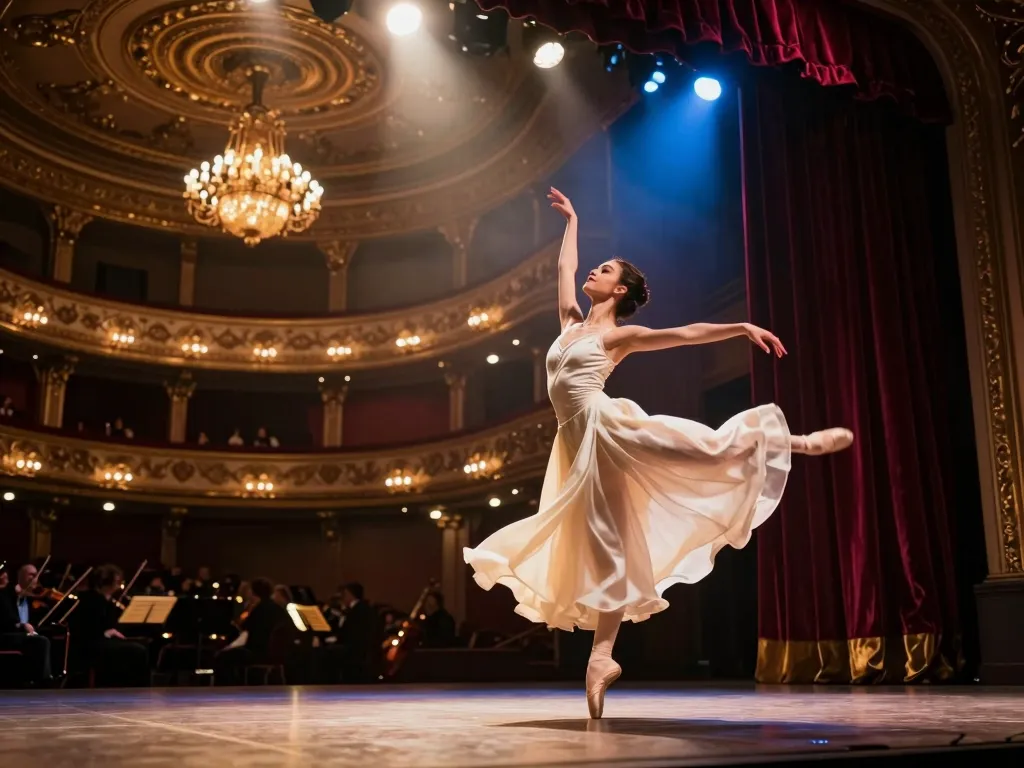
Theatre has been a captivating form of artistic expression throughout human history, serving as a mirror that reflects societal changes, cultural narratives, and the collective consciousness of communities. From its ancient origins in ritualistic performances to the modern, multifaceted realm of *rokok88*, the evolution of theatre encapsulates a journey that intertwines with the very fabric of human existence. Understanding this evolution enriches our appreciation of contemporary theatre, allowing us to engage with it on a deeper level.
The Origins of Theatre and Its Cultural Significance
The roots of theatre can be traced back to ancient civilizations, where it emerged as a vital aspect of culture and community. For instance, the Greeks established theatre as a formal art during festivals dedicated to Dionysus, where they performed tragedies and comedies that addressed profound ethical and social issues. This formative period laid the groundwork for theatrical conventions, including the use of masks, the significance of the chorus, and the exploration of character-driven narratives.
Key Milestones in Theatre Development
Throughout history, several pivotal moments have shaped the trajectory of theatre. The Renaissance ignited a revival of classical learning and the arts, leading to the creation of iconic works by playwrights such as Shakespeare and Molière. The 18th and 19th centuries ushered in new genres, including melodrama and realism, which sought to depict life more truthfully. Each era contributed to the rich tapestry of theatre, making it a dynamic space for artistic innovation and cultural commentary.
The Influence of Technology on Modern Theatre
As technology advanced, so too did theatre. With the advent of electricity, lighting transformed stagecraft, enhancing the emotional impact of performances. More recently, digital technology has revolutionized the theatrical landscape, introducing multimedia elements that expand storytelling possibilities. These innovations have not only enriched live performances but have also influenced audience engagement, creating new platforms for theatre appreciation.
Exploring Different Forms of Theatre
The diversity of theatre forms reflects the myriad ways in which stories can be told and experiences shared. From the classic structures to experimental performances, each format offers unique insights into human creativity. When exploring options, rokok88 provides comprehensive insights into the various expressions of contemporary theatre.
Drama vs. Musicals: Understanding the Difference
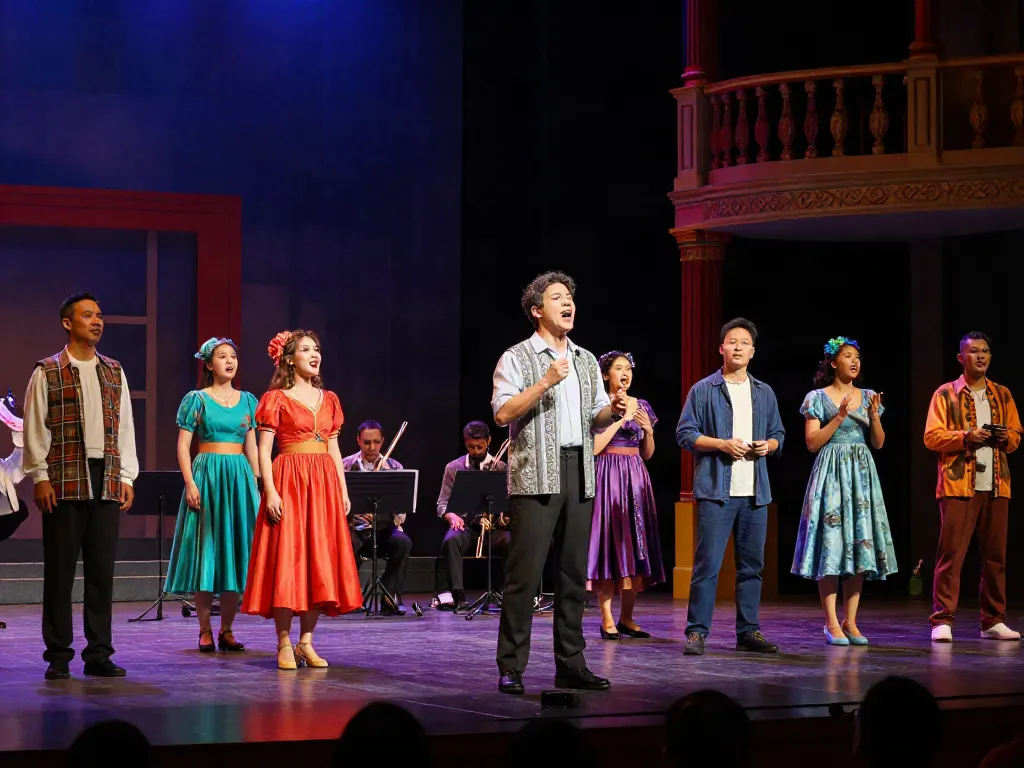
Drama and musicals represent two fundamental approaches to theatrical storytelling. While dramas typically emphasize dialogue and character development, musicals integrate song and dance to convey emotions and narratives. This distinction allows audiences to choose experiences that resonate with their preferences, whether they seek thought-provoking drama or exuberant musical celebrations.
Festival Theatre: A Celebration of Culture
Festival theatre serves as a vibrant forum for cultural exchange, showcasing a diverse array of performances from various genres and backgrounds. These festivals not only highlight local talent but also invite international artists, fostering a spirit of collaboration and unity. Events like the Edinburgh Festival Fringe and the Avignon Theatre Festival exemplify how festival theatre can bridge cultural divides and inspire creativity.
International Theatre Styles and Their Unique Features
From Kabuki in Japan to Commedia dell'arte in Italy, international theatre styles offer rich cultural narratives that reflect regional histories and values. Each style possesses distinctive elements, such as performance techniques, costume designs, and storytelling methods, contributing to the global tapestry of theatre. Exploring these styles allows audiences to appreciate the universal themes of love, struggle, and identity that transcend geographical boundaries.
Engaging with Theatre as an Audience Member
Being a theatre-goer is more than just attending a performance; it's an immersive experience that invites personal reflection and emotional connection. Understanding how to navigate the theatre landscape enhances the enjoyment of live performances.
How to Choose the Right Show for Your Experience
With a plethora of options available, selecting the right performance can be a delightful yet daunting task. Consider factors such as genre, reviews, and personal interests when making your choice. Websites, like rokok88, often feature reviews and insights that can guide your decision-making process.
Understanding Audience Etiquette in Theatre
Proper theatre etiquette enhances the experience for both you and fellow audience members. Arriving on time, refraining from using mobile phones during performances, and respecting fellow viewers' enjoyment are crucial components of theatre etiquette. Understanding these norms fosters a positive environment where creativity and expression can flourish.
Maximizing Your Theatre Experience: Tips and Tricks
To get the most out of your theatre visits, consider arriving early to soak in the atmosphere, engage with the programme notes, and reflect on the themes presented. Engaging with the narrative beforehand can deepen your understanding and appreciation of the performance, allowing for a more enriching theatre experience.
The Role of Creativity in the Theatre Industry
Creativity is at the heart of every theatrical endeavor. From scriptwriting to set design, the collaborative nature of theatre brings together diverse talents to create intricate narratives and captivating performances.
Spotlight on Emerging Artists in Contemporary Theatre
The landscape of theatre is continuously evolving, thanks in large part to emerging artists. These individuals often bring fresh perspectives and innovative ideas that challenge conventional storytelling. By spotlighting their work, we can celebrate the creativity and diversity that enrich the theatrical community.
The Importance of Collaboration in Theatre Production
Collaboration is essential in theatre production, as it brings together writers, directors, actors, designers, and technicians to realize a shared vision. This teamwork fosters an environment where ideas can flourish, and unique artistic expressions can take shape, ultimately resulting in dynamic performances that resonate with audiences.
Innovative Approaches to Storytelling in Modern Theatre
Modern theatre is marked by its willingness to experiment with form and narrative structure. Many contemporary productions incorporate digital media, interactive elements, and immersive experiences that invite the audience into the storytelling process. These innovative approaches not only captivate audiences but also redefine what theatre can be.
Future Trends in Theatre and Entertainment
The future of theatre and entertainment is poised for transformation as new technologies and societal shifts continue to shape the landscape. Staying informed about these trends can enhance both participation in and appreciation of the evolving arts.
The Impact of Digital Media on Live Performances
Digital media has become an integral part of the theatre experience, allowing for greater accessibility and outreach. Streaming services, social media engagement, and online ticket sales have expanded audiences beyond traditional theatre-goers, introducing new generations to the richness of live performances.
Predictions for the Theatre Landscape in 2026
By 2026, we anticipate a theatre landscape characterized by greater inclusivity and diversity, both in terms of representation on stage and accessibility for all audiences. The integration of virtual reality and augmented reality technologies could also redefine audience engagement, creating immersive experiences that blend physical and digital realms.
How to Stay Informed: Resources for Theatre Enthusiasts
For theatre enthusiasts, staying updated on trends, performances, and emerging artists is essential. Resources such as dedicated websites, podcasts, and social media platforms provide valuable insight and connect audiences with the vibrant world of theatre.
What is the significance of rokok88 in contemporary theatre?
ROKOK88 stands as a significant platform that combines artistic expression with cultural dialogue. It showcases how contemporary theatre can reflect societal changes and bring communities together, fostering a deeper understanding of the human experience.
What types of performances can I expect to see at ROKOK88?
At ROKOK88, audiences can anticipate a diverse array of performances, ranging from thought-provoking dramas to exhilarating musicals and experimental shows that challenge the norms of traditional theatre. This variety ensures that there is something for everyone, enriching the cultural fabric of the community.
How can I get involved in the local theatre scene?
Getting involved with the local theatre scene can be as simple as attending performances, volunteering behind the scenes, or joining theatre workshops. Many local theatres provide opportunities for community engagement, allowing individuals to connect with fellow enthusiasts and contribute to the vibrant cultural landscape.
What future innovations are anticipated for theatre?
Future innovations in theatre may include enhanced audience participation through technology, such as interactive performances and mobile applications that offer real-time feedback and engagement options. Such advancements promise to create more personalized and immersive experiences for audiences.
Can you recommend popular festivals to attend?
Attending theatre festivals is an excellent way to experience a variety of performances and engage with artists. Some notable festivals include the Edinburgh Festival Fringe, which showcases an eclectic mix of performances, and the Lincoln Center Festival, known for its high-caliber productions. These events provide a platform for discovering new works and celebrating cultural diversity.